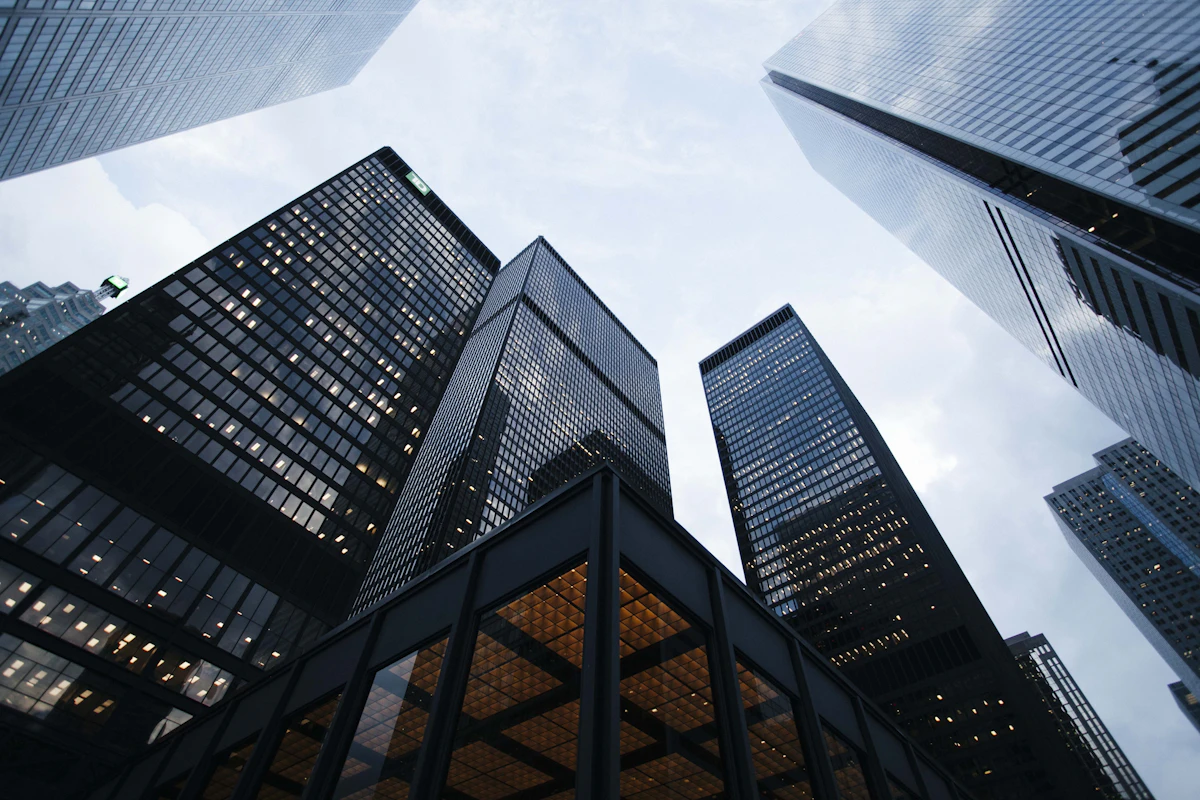
While residential agents are using AI to write listing descriptions, Commercial Real Estate (CRE) brokers are utilizing AI to analyze multi-million-dollar acquisitions, extract data from complex lease structures, and forecast urbanization trends.
The stakes in B2B real estate are massive. A 1% miscalculation in underwriting a retail center can cost stakeholders millions. Here is how specialized AI is mitigating that risk in 2026.
1. Automated Lease Abstraction
Reviewing a standard 80-page commercial lease to find the crucial tenant obligations, break clauses, and CAM (Common Area Maintenance) terms used to require Junior Analysts to spend 5 hours per document. Today, LLMs fine-tuned specifically on CRE legal jargon can process and summarize a document instantly.
Software like Prophia creates dynamic, traceable abstracts where every generated piece of data links back directly to the source text within the PDF.
2. Site Selection & Demographic Forecasting
Why did Starbucks choose that specific street corner? Historically, it involved analyzing traffic counts manually. Now, predictive AI engines ingest hyper-local cell phone mobility data, municipal zoning changes, and competitor performance to pinpoint optimal locations for new development.
3. Energy Efficiency and Smart Buildings
For investors holding multi-family or office assets, managing operational costs is vital. Predictive maintenance AI interfaces directly with a building's HVAC systems. By learning the thermal patterns of an office tower on sunny vs. cloudy days, it pre-cools spaces efficiently, dropping energy expenditures by up to 25% annually.
Conclusion
The role of the commercial broker is shifting from pure data compilation to strategic interpretation. Those who adopt these AI underwriting tools will command the institutional funds of the future.


